Aug
2
to Aug 11
Presenting Timbre as Structure: Case Study of Georg Friedrich Haas's 11.000 Saiten
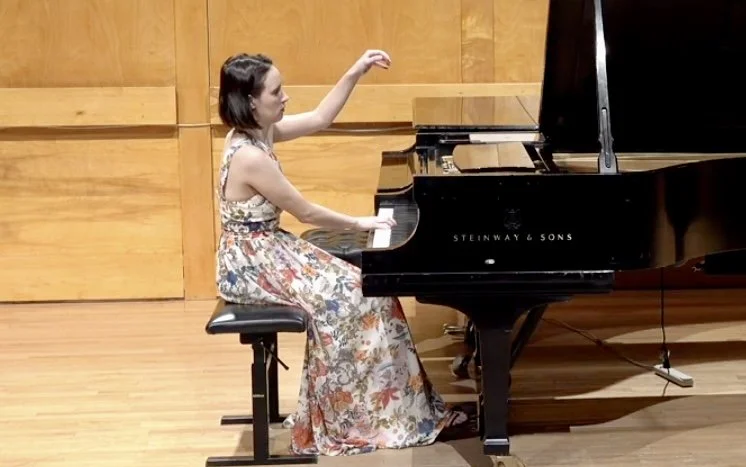
Isabel Keleti, piano
with
Avery Morris, Nick Suminski, Will Taylor
Monday, February 2nd, 2026, 11:00 AM
Recital Hall | Staller Center for the Arts
From Loutky (Puppets) (1912) Martinů (1890-1959)
Book I & Book II
Kolombína tančí (Colombine Dance)
Nemocná loutka (The Sick Puppet)
Fifth Day of the Fifth Moon (1954) Martinů (1890-1959)
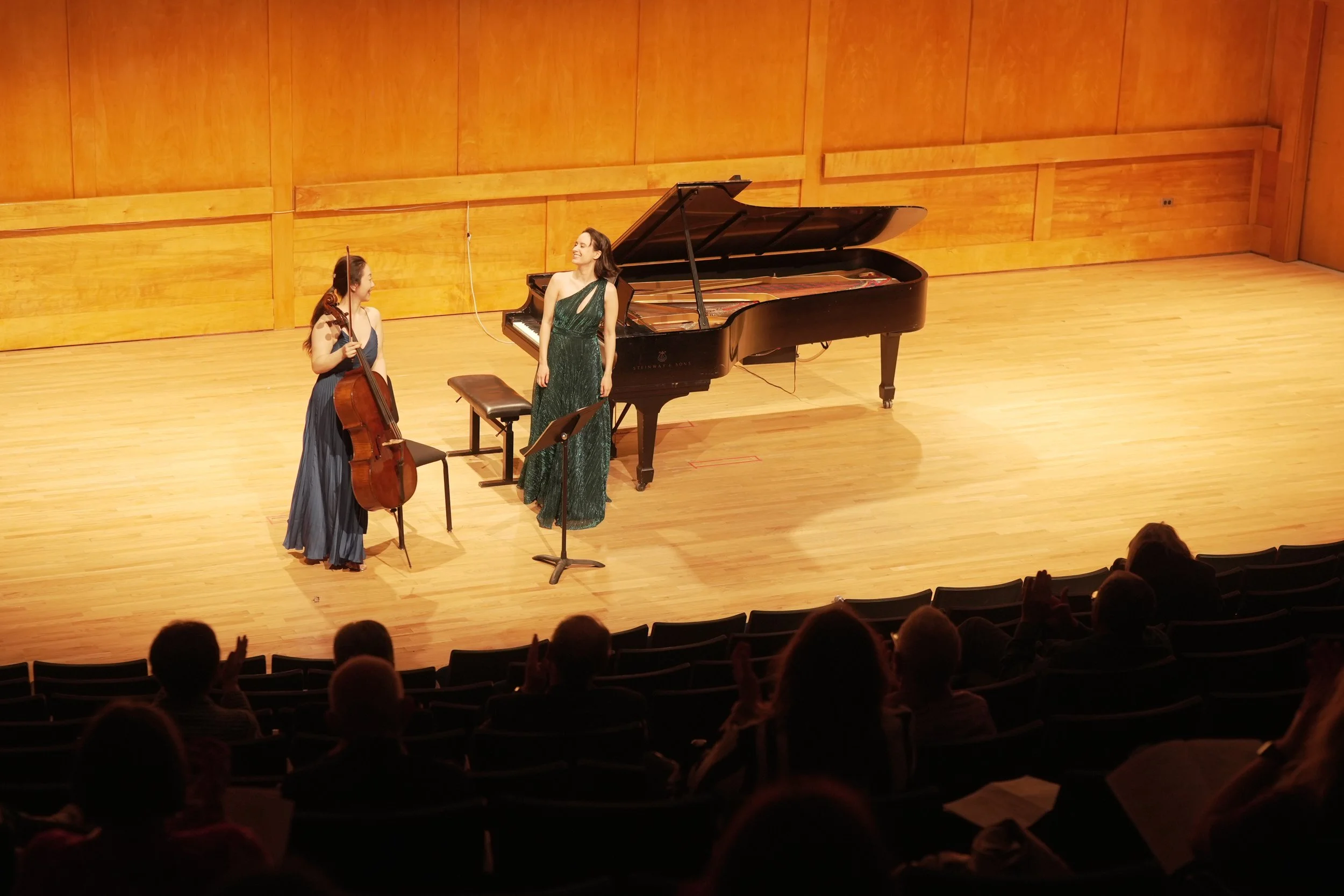
Variations on a Slovak Theme (1959) Martinů (1890-1959)
Will Taylor, cello
~ INTERMISSION ~
Concerto H.342 for Piano and Violin (1953) Martinů (1890-1959)
I. Poco Allegro
II. Adagio
III. Allegro
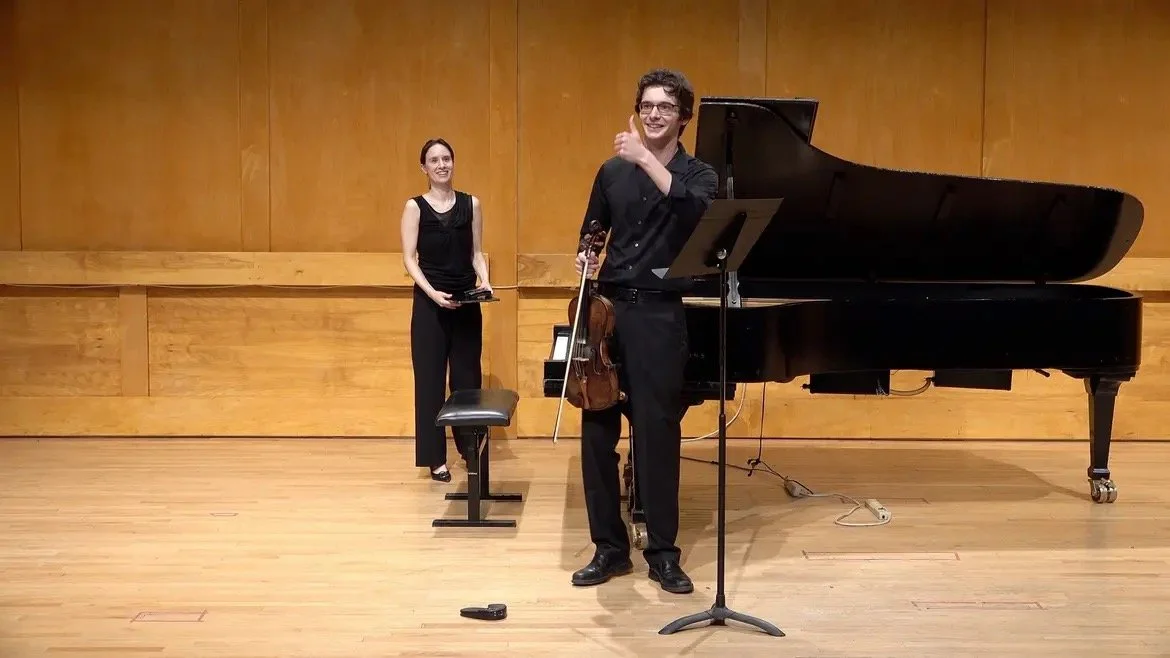
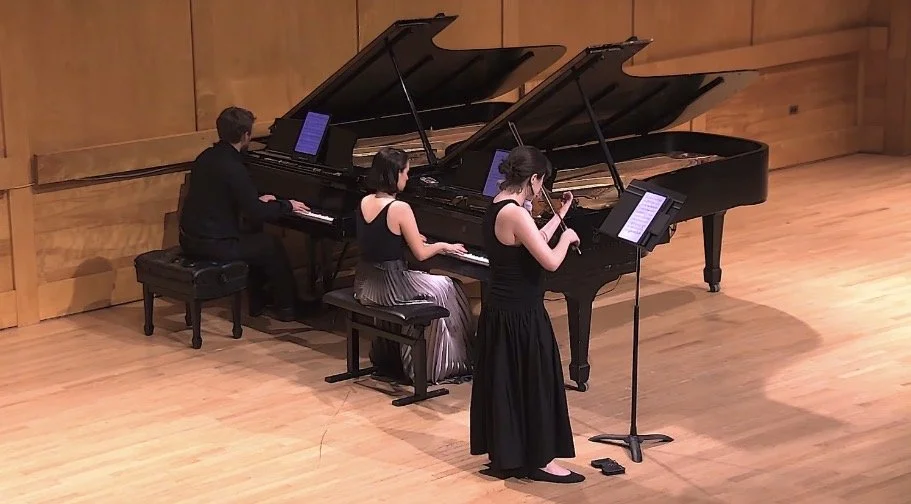
Avery Morris, violin & Nick Suminski, second piano
Romance (1930) Martinů (1890-1959)
Avery Morris, violin
Program Notes
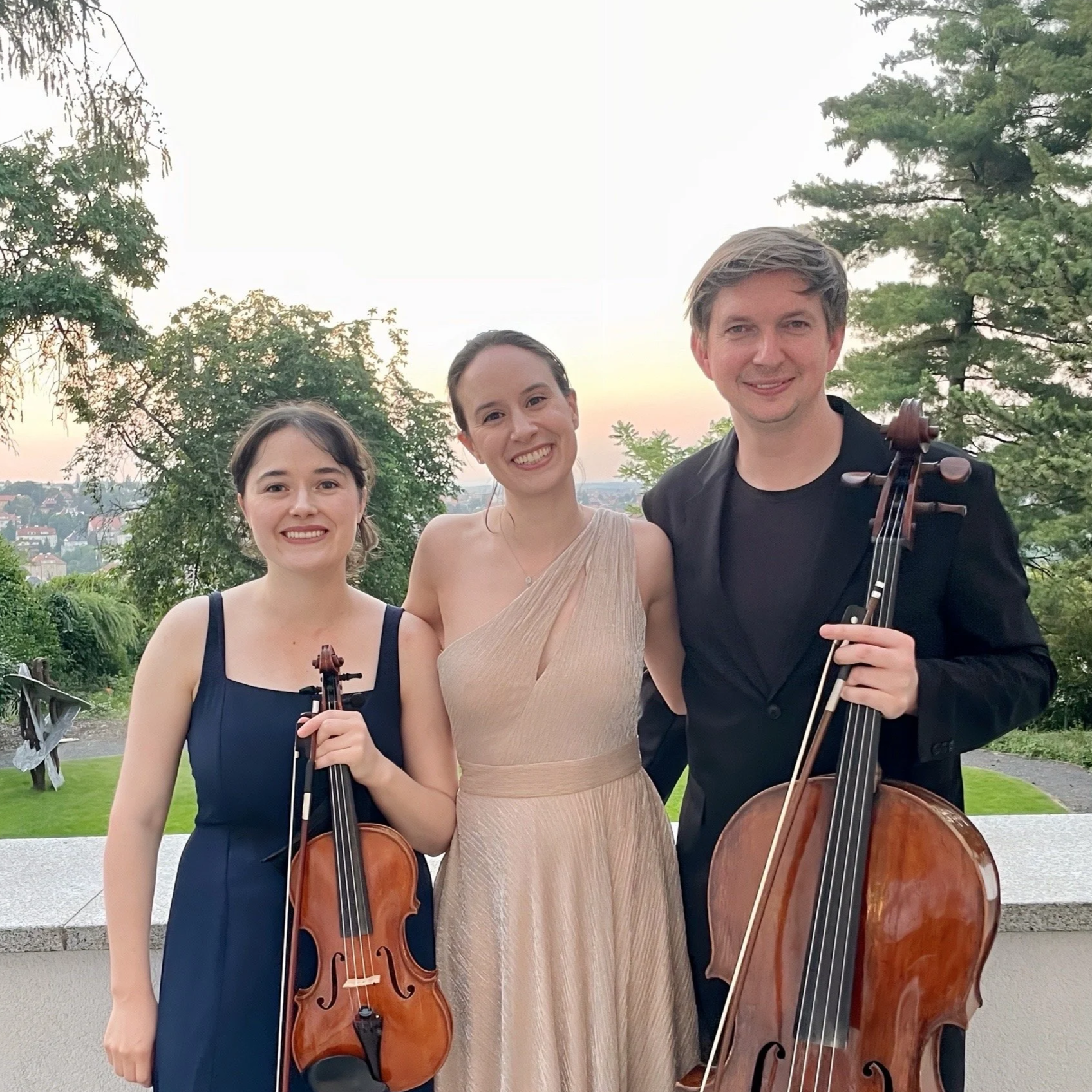
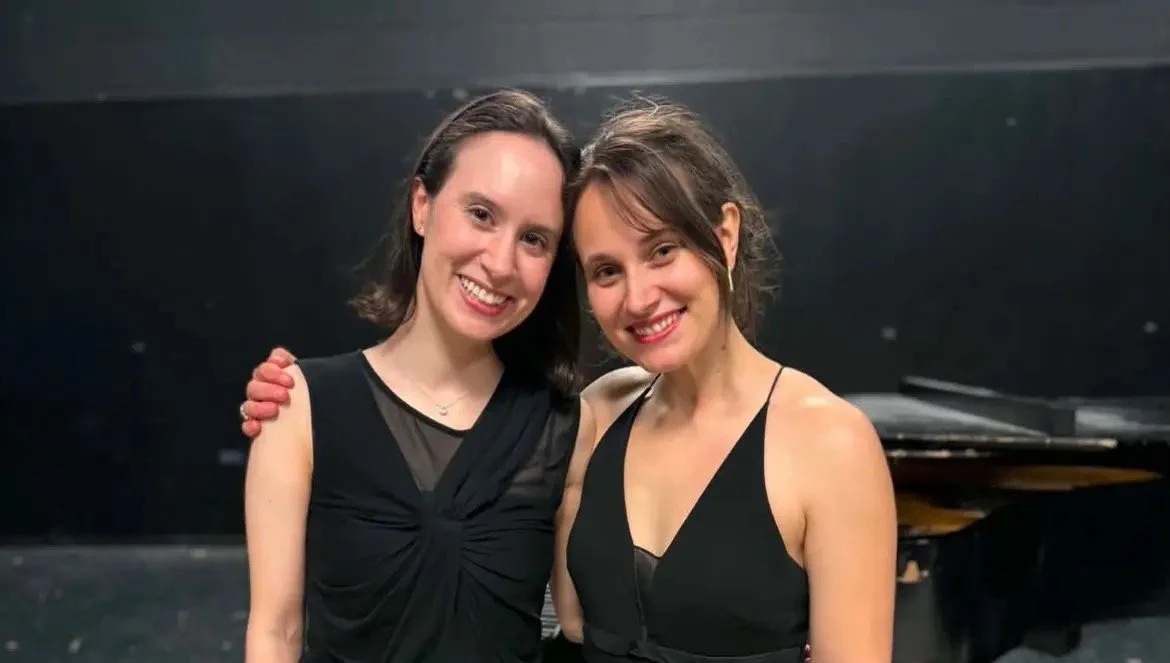
This recital program was inspired by the concerts and lectures I attended at the Martinů Festival at Bard College last summer, where I found myself uncovering new layers of Bohuslav Martinů’s music yet again. Martinů’s many fascinations behind his music make his oeuvre feel endlessly imaginative, multifaceted, and enigmatic, no matter how many times I return to it. It is a true joy to collaborate with dear friends Avery Morris (violin), Will Taylor (cello), and Nick Suminski (piano).
Loutky is a cycle of short character pieces and is among the earliest piano works of Bohuslav Martinů. The pieces draw on Martinů’s love of theater, specifically commedia dell’arte. Each miniature depicts a distinct puppet personality. Beneath the playful surface lies emotional ambiguity. The puppets move vividly, but without agency, making their exaggerated gestures tinged with fragility and melancholy. Stylistically, the Puppets foreshadow many of Martinů’s later traits, blending French impressionism, neoclassicism, and dance music.
Fifth Day of the Fifth Moon refers to an ancient festival in the Chinese lunar calendar commemorating the fifth-century B.C. poet Qu Yuan, whose life ended in suicide and whose death is remembered today through the Dragon Boat Festival. Martinů was also influenced by a 1947 publication of poems by Lin Yutang and includes an excerpt of one of his poems in the score. Martinů wrote the piece while living in New York, where he formed a close friendship with the composer Alexander Tcherepnin and his wife, the pianist Lee Hsien-Ming, the first woman to graduate from the Shanghai Conservatory. Martinů was deeply inspired by Ming’s performances and by Chinese poetry and aesthetics in general.
Martinů composed Fifth Day of the Fifth Moon shortly after the mysterious death of his close friend Jan Masaryk, who fell from a window of the Czechoslovak Ministry of Foreign Affairs in March 1948, only weeks after the Communist coup. Although officially declared a suicide, Masaryk’s death has long been suspected to be a political murder. The parallel between Masaryk’s fate and that of Qu Yuan imbues the work a subtle sense of mourning and gravity.
Martinů composed the Variations on a Slovak Theme in March 1959 while staying in Pratteln, Switzerland, months before his death. The work draws on the Slovak folk song Kde bych já veděla (“If I Had Known”), filled with longing for a man’s return home. After a brief piano introduction which emulates the cimbalom, the cello presents the folk song’s theme, followed by five variations.
Composed in New York in 1953, the Concerto for Violin, Piano, and Orchestra stands among the most expansive and ambitious works of Bohuslav Martinů’s late period, written alongside his Sixth Symphony (Fantaisies symphoniques). Martinů was distinguished faculty of composition at Mannes School of Music at the time, and formed a meaningful friendship with Aaron Copland while spending summers teaching at Tanglewood. Martinů, himself a violinist, assigns both solo instruments independently virtuosic roles. The concerto was commissioned by Benno and Sylvia Rabinovich and premiered in San Antonio 1954, and then performed in New York City’s Carnegie Hall with the Philadelphia Orchestra in 1955. To our knowledge, we are the first to perform this concerto in New York in over 70 years. This performance was made possible by a newly composed piano reduction by Nick Suminski.
Romance for Violin and Piano is a recently rediscovered work by Bohuslav Martinů. Composed in Paris in May 1930, the piece was never listed by Martinů in his own catalogues and remained unknown for nearly a century. It came to light in 2022, when a manuscript was identified by Natália Krátká of the Bohuslav Martinů Institute in the holdings of the National Library of Israel. The manuscript bears a personal dedication to Boris Lipnitzki, a Paris-based photographer of Ukrainian-Jewish origin.
Czech Center New York is preparing an exhibition in collaboration with the Metropolitan Opera and the National Museum of the Czech Republic about Czech female opera singers whose careers brought them onto the stage of one of the world’s most prestigious opera houses – the Metropolitan Opera in New York.
Exhibition is curated by Dr. Veronika Vejvodová, head of the Antonín Dvořák Museum – Czech Museum of Music – National Museum of the Czech Republic in Prague.
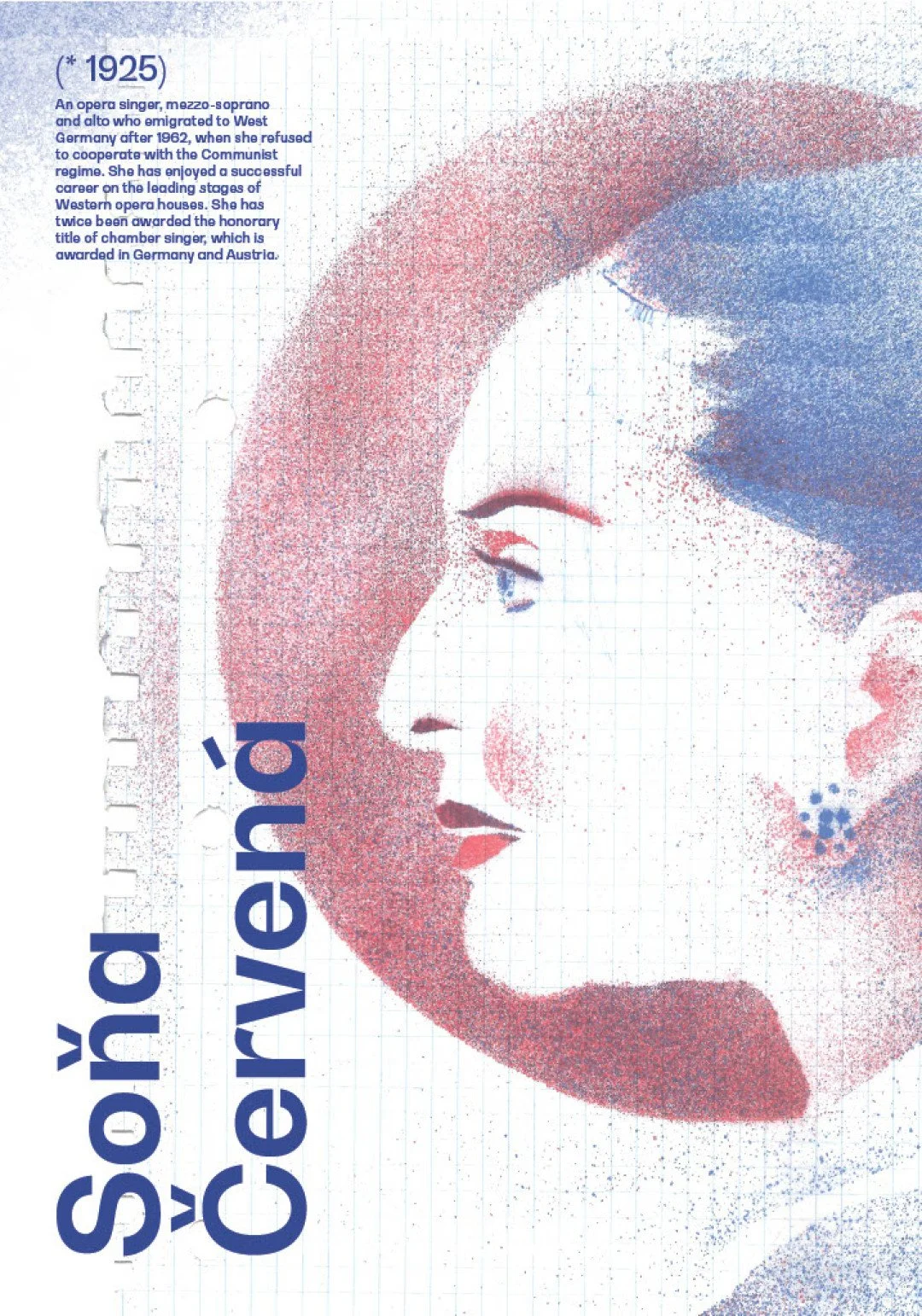
The Czech Center New York presents an evening commemorating Soňa Červená, a renowned Czech opera singer and actor who died earlier this year at the age of 97.
Opening remarks will be presented by musicologist and NYU professor Michael Beckerman, and famous arias will be performed by mezzo-soprano Markéta Cukrová and pianist Isabel Keleti. Last but not least, a documentary by Olga Sommerová will offer a glimpse into the life of this extraordinary woman.
https://calendar.ku.edu/event/visiting_artist_series_isabel_keleti_piano?utm_campaign=widget&utm_medium=widget&utm_source=The+University+of+Kansas